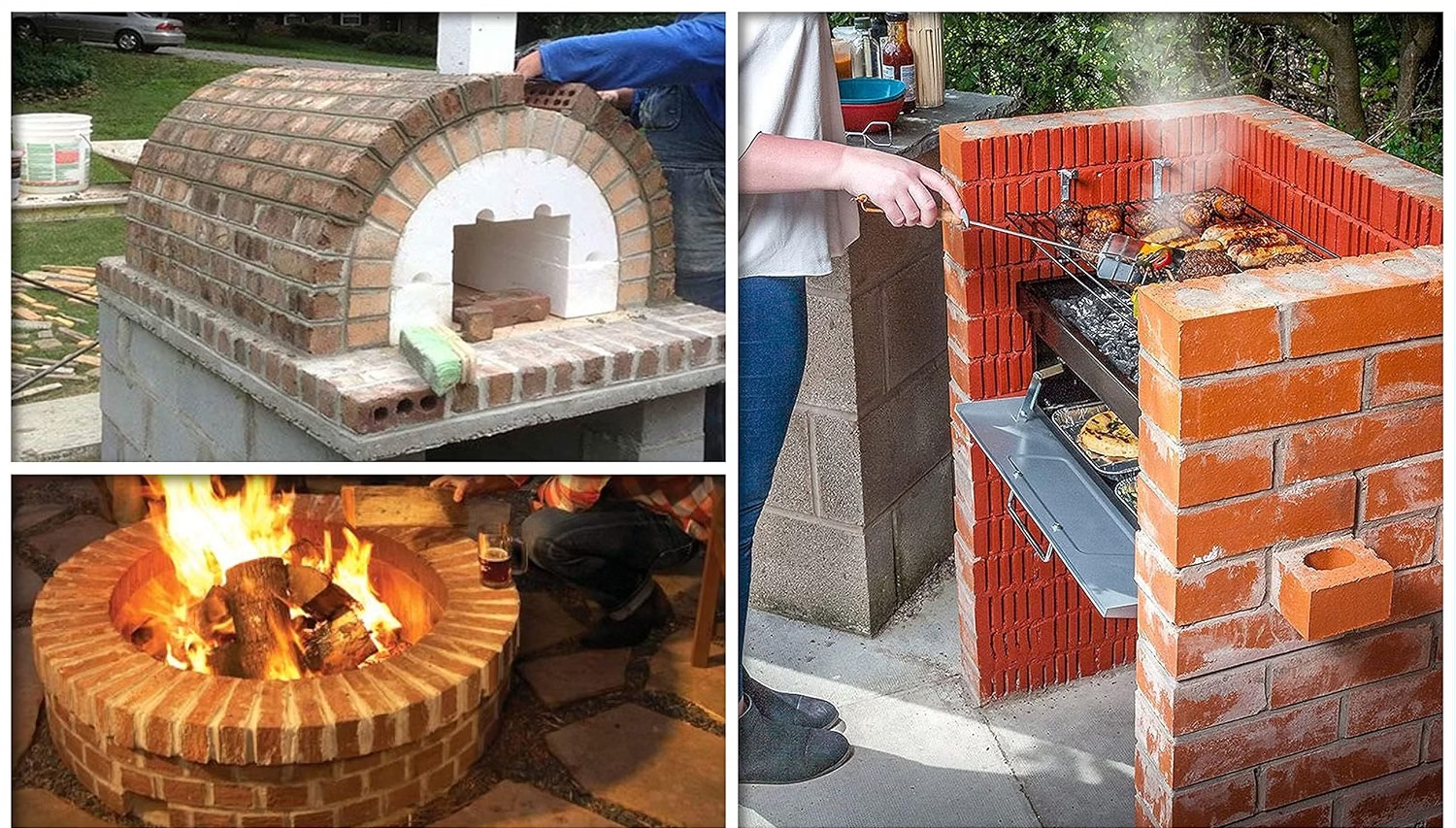
What Is a Refractory Brick Oven?
Brick ovens that are made from refractory could be described by any type of Brick Oven regardless of whether it’s gas or wood-fired, with brick refractory being its fundamental design and as a material for heat retention. Refractory Brick Ovens are made to withstand continuous cooling and heating cycles, without cracking, warping, or shrinking.
This single feature is what makes it different from ordinary bricks for construction. A clay Brick Oven of the standard variety can begin breaking down at 1200 degrees Fahrenheit. Refractory brick, based on the grade, can handle 1800degF – 2700degF and more. This is the reason why this category exists.
Quick answer: A refractory brick oven makes use of heat-resistant fireclay or high-alumina brick for the construction of the cooking chamber. This allows it to store heat and emit the same intense heat for pizza and bread, as well as roasting and other cooking that requires high temperatures -without the structural problems regular Brick Ovens suffer.
Refractory Brick Oven in comparison to. Firebrick. Castable Refractory and Clay Brick
These four terms are often used interchangeably on the internet. However, they’re not the same; choosing the wrong one is the primary reason that DIY ovens fail.
| Material | Heat Rating | Cost | Best For | Lifespan |
|---|---|---|---|---|
| Refractory (Fireclay) Brick | 2,000–2,700°F | Moderate | Dome, flooring & general oven construction | 10–20+ years |
| Dense Firebrick | 2,000–3,000°F | Moderate–High | Flooring & high-wear zones | 10–20+ years |
| Insulating (Soft) Firebrick | 2,000–3,300°F | Moderate | Insulation; not structural or impact-resistant | 5–15+ years |
| Castable Refractory | 2,200–3,000°F | Moderate–High | Domes, custom designs & repairs | 10–20+ years |
| Low-Heat Refractory Trim | Varies | Low–Moderate | Non-heat-facing trim only | 5–15 years |
In simple terms: “Firebrick” is really a broad term, and refractory Brick Ovens are part of it. The hard firebrick is strong and ideal for floors and other high-wear areas. The firebrick that is soft and insulating is lightweight and holds heat rather than transferring it. That’s why it is used to insulate and not to create the shell of the structure. Castable refractory is poured, rather than stacked, making it easier to work with; however, it’s more susceptible to cracking in the event that it heats differently when it is curing.
Duty Ratings: The Part Most Guides Skip
Refractory bricks and firebricks are rated according to “duty rating,” and knowing this prevents underbuilding as well as wildly excessive spending.
- Low duty is able to handle moderate heating, with intermittent use. It is suitable for certain fireplaces but not recommended for cooking ovens.
- Medium duty — the most common recommendation for pizza ovens and bread bakers. The typical is about 38% alumina content and rated at around 2,500 degrees F.
- High duty — is used in industrial settings that are more challenging and is often sold to home builders who do not need it.
- Super Duty is reserved for industrial furnaces that are used continuously (steel, glass, and the production of cement). It is not necessary, and usually not economically feasible for an ordinary home oven.
A common error made by novice builders is the assumption that “more duty rating equals betterBrick Oven.” In reality, the medium-duty firebrick is the most efficient, cost-effective option for the majority of pizza, bread, backyard, and pizza ovens.
Where Refractory Brick Ovens Are Used
- Refractory bricks aren’t just a pizza oven material. They are used in several high-temperature applications. The best Brick Oven will differ based on the case.
- Wood-fired pizza ovens – the most commonly used home appliance; dome and floor require heat-resistant brick, although floor Brick Ovens typically need to be denser.
- Bread ovens and bake ovens made by artisan bakers Similar requirements to pizza ovens. Typically with more insulation to bake longer and with lower temperatures.
KilnsCeramic studio kilns typically mix ceramic fiber, firebrick and castable refractory, depending on the kind of firing.
ForgesBlack smithing forges require Brick Oven that can withstand sustained, intense, direct-flame heat.
Fireplace and chimney liner – Castable refractory or refractory is a standard choice for flue linings and fireboxes. - If your project is outside of pizza cooking, the logic behind the material is similar — simply prioritize the insulation and duty ratings according to your particular temperature and exposure time.
How Much Does a Refractory Brick Oven Cost?
The cost of construction varies greatly based on the type of project you choose to build, purchase a kit, employ a professional, and the location from which you’re purchasing the materials.
DIY from scratch build (materials only):
small oven (24-36 inches) about $600-$1,200 for mortar, fire bricks, and insulation
medium oven (36-42 inches) approximately $1,200-$2,500
Pre-fabricated kits:
Dome/component kits are approximately $800 to $2500, plus the base and insulation cost.
Professional build by a professional:
- Small: $3,000-$6,000
- Medium: $6,000-$10,000
- Large/commercial: $10,000-$25,000
Costs per Brick Oven of firebricks with medium-duty properties typically range between $2 and $5 when purchasing the brick from an area landscaper or Brick Oven supply yards However, huge quantities of castable, industrial or special Refractory may push prices higher.
Note: Important regional information: Brick Oven and refractory material prices vary greatly by country. Builders in regions that have a lack of manufacturing of refractory may report costs many times more expensive than markets that have local suppliers; that’s why some skilled builders opt for recycled industrial refractory Brick Ovens from cement plants or furnaces to lower costs — if the brick’s duty rating and quality are first verified.
Installation Basics
The right material for the job is only half the task. Some installation basics decide whether a refractory oven will last for decades or fail within a short time:
- Dry-lay when it is feasible. Oven floors are usually dry-laid instead of mortared due to the fact that it is more able to accommodate thermal expansion.
- Leave expansion gaps. Brick expands with temperature; joints that are tight with no allowances are the most common reason for cracking.
- Use refractory mortar only. The standard construction cement is not able to handle the temperatures of ovens and can fail.
- Cure gradually. The initial firing should raise the temperature slowly over several times to force out the moisture prior to reaching the maximum temperature. This process can be rushed and is the reason behind cracked or fractured bricks when curing.
- Protect against moisture. Firebrick is a great choice to shield against the effects of moisture. Firebrick material is not waterproof; however, it is able to absorb moisture and then release it to the oven when exposed outside. This is the reason a weatherproof covering or cover is crucial for outdoor construction.
Common Mistakes and Failure Points
Experience of real builders — not the marketing of a manufacturer suggests an unchanging set of failure patterns:
- The wrong duty rating is for the task. It could be inadequately built (brick does not work under prolonged temperature) or overbuilt (spending industrial-grade cash on a pizza oven in the backyard).
- Mixing incompatible materials. Combining bricks that have extremely different amounts of alumina or densities in the same brick structure could result in uneven thermal expansion and cracking.
Skipping the cure cycle. Firing too fast or too hot is among the most often identified causes of flaked, cracked, or explosively broken bricks. - Use firebrick only when exposure to water is inevitable. The porosity of firebrick is not a good choice for oven entrances, landings, or any other area that is regularly exposed to rain, unless it is properly covered or replaced by a denser material.
Assuming that the majority of “refractory” claims are equal. Not all refractory-related products have been evaluated according to the same criteria, and confirming a stated Alumina percentage and temperature ratings will be more accurate than marketing words and claims on their own.
Is Refractory Brick Food Safe?
For ovens in which brick is directly in contact with food (like pizza floors), look for bricks specifically designed for use in food contact and sometimes compared to standards such as NSF-4 to be used in commercial kitchens. The most reliable fireclay brick used in bread and pizza ovens is made of natural clay with no additions, but it’s still recommended to check with the vendor instead of assuming, particularly in commercial kitchens.
How Long Do Refractory Brick Ovens Last?
If the materials are chosen properly, and accompanied by an appropriate curing process and protection from the elements properly constructed, a brick oven that is refractory will typically last between 10 to 20 years or perhaps longer in some cases, with professional ovens last for many decades. The lifespan of a brick oven is determined largely by three factors including determining the right duty rating needed for the job and ensuring that the oven is properly curing first time around and avoiding exposure to long-term humidity.
5 Beginner-Friendly Refractory Materials Worth Considering
If you’re beginning a construction rather than purchasing large industrial supplies, these are readily accessible, simple-to-use options that are frequently recommended for ovens at home as well as fireplaces, forges, and kilns.
1: Rutland’s Fire Brick (9″ x 4.5″ x 1.25″, rated up to 2700 degF)
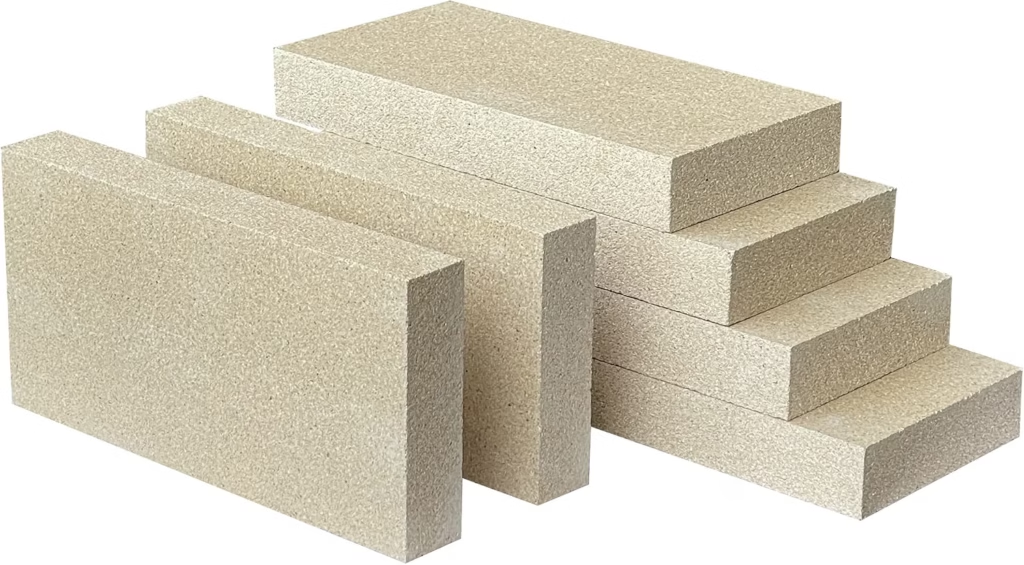
A standard-sized, American-made fireclay brick that is ideal for pizza oven domes as well as general work with high-heat lining.
2: Rutland Dry Mix Refractory Mortar 211 –
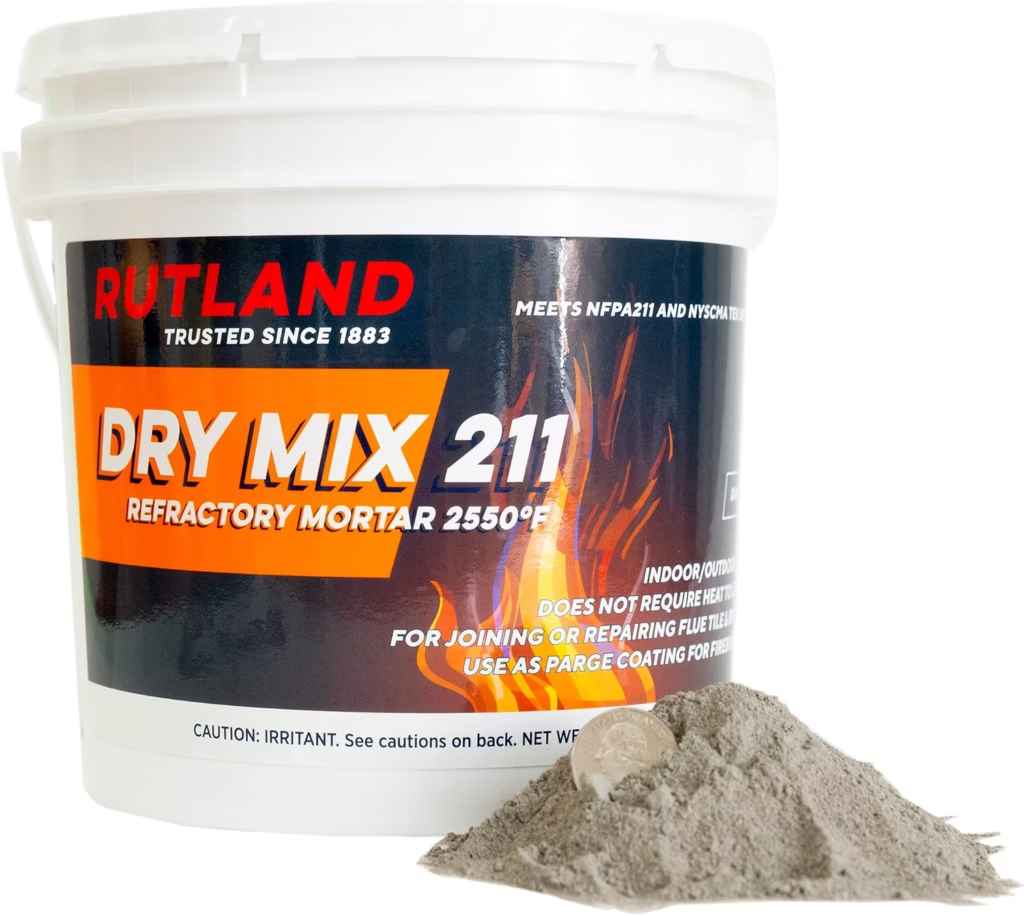
A mortar resistant to water that was specifically designed for joining firebricks. Its temperature is about 2550 ° F. This mortar is simple to use by those building their first time.
3: Rutland Castable Cement (25 pounds tub)
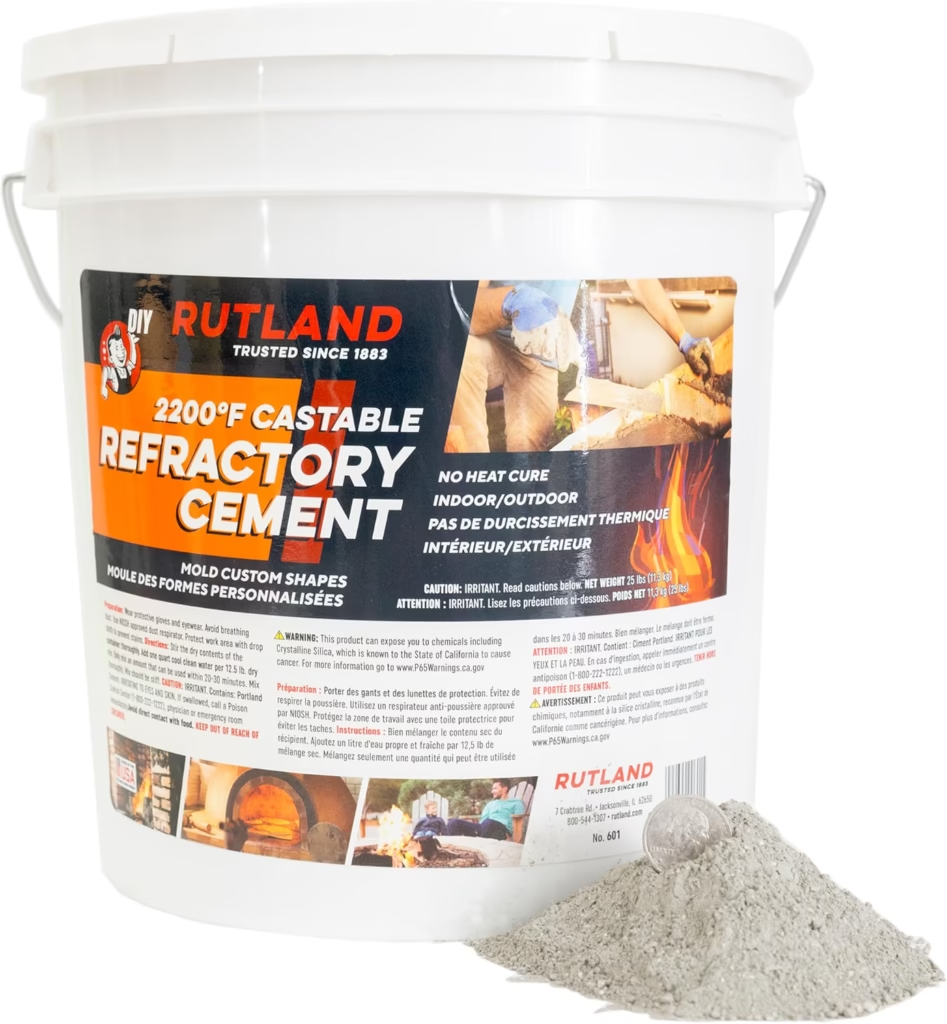
An option that is not heat-curable and pourable that is rated up to 2200degF. Suitable for custom designs, patching, or casting oven doors.
4: AWMCO Super Duty Hard Fire Brick (12” x 12”, low porosity
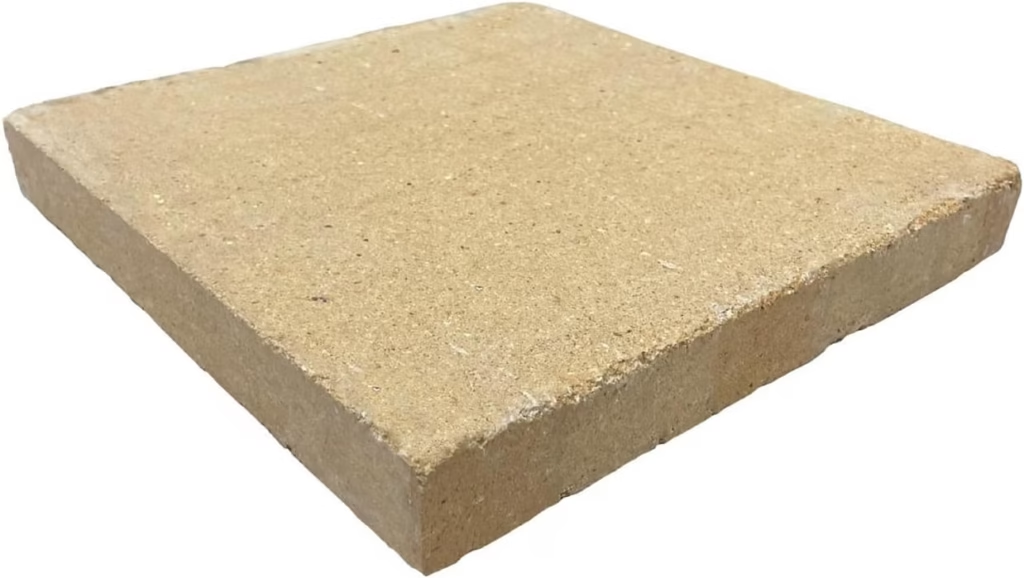
A denser choice for cooking floors that are extremely wear-resistant or forging applications where strength is more important than insulation.
5: Simond Store Refractory Mortar (rated up to 2700degF)
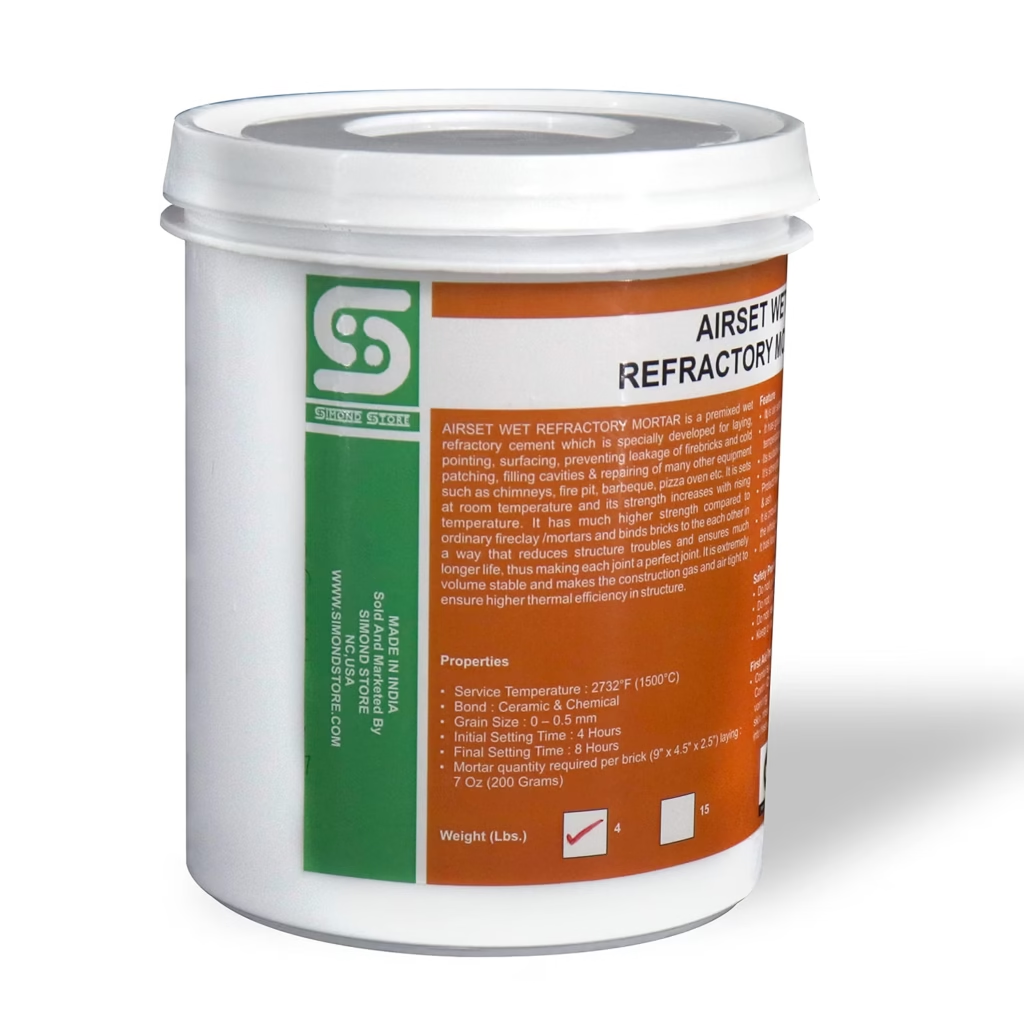
Ready-mixed mortar that’s ideal for smaller kilns, forges, or repair jobs in which making dry mortars isn’t feasible.
For the majority of first-time bakery or pizza oven builders, an average-duty fireclay brick with an approved refractory mortar can meet the majority of requirements without spending too much on industrial-grade materials that you will not use.
FAQs
What is an Refractory Stove?
It’s an oven built out of Refractory (heat-resistant) bricks. They’re the primary part of the structure which can be used to stand up to extreme temperatures for a long time without breaking.. It is commonly used for baking pizzas, bread and other items and can also be used in baking artwork.
What’s the distinction between bricks and firebrick?
Firebrick is a broad classification of brick that is heat-resistant. Refractory brick, fireclay, and refractory brick are often used as more specific terms. In reality, the majority of homes have medium-duty bricks.
How much will a refractory brick oven run?
DIY costs for materials generally range from $600-$2,500 based on size. Kits can be purchased for between $800 and $2500 for domes and the components as a set. Professional ovens generally range between $3000 to $25,000 based on the dimensions and complexity.
Are refractory blocks safe for consumption?
The majority of fireclay used for ovens is constructed of natural clay with no harmful ingredients; however, for surfaces that are food- or commercial-contact, ensure that the brick has an appropriate rating for food contact from the source.
How long will brick ovens made of refractory last?
When properly built and sealed, an oven can last 10- 20 years or more. The longevity of an oven is heavily dependent on the choice of duty ratings, proper curing, and protection against moisture.
Can you use clay bricks made of refractory for bread makers?
Bread ovens utilize similar ingredients to pizza ovens however, generally speaking, they have a more durable insulation that allows for longer baking times and lower temperatures.
What bricks are duty-rated and perfect to be used in pizza ovens?
Medium duty (typically approximately 38% alumina and rated at 2,500degF or less) is the most common recommendation for pizza ovens. Higher duty ratings are typically not necessary for use at home.
Is refractory clay water-proof?
No. The typical firebrick is porous and prone to take in moisture if it is not secured outdoors. This can cause cracks to form due to steam during firing. Outdoor ovens must be protected or sealed.
Conclusion
The performance of a brick oven made of refractory is based on three factors: making the best choice of material type (fireclay bricks, firebrick, and castable refractory), matching the duty rating to the actual usage instead of building too much or too little, and ensuring that the structure is properly cured prior to pushing it to maximum temperature.
If you do these three things correctly, ensure that the structure is protected from humidity, and a properly constructed oven — be it for bread, pizza, or a kiln, or one that is a forge should be reliable for more than 10 years. If you’re only beginning with your fireclay construction, a moderate-duty brick combined with a rated ceramic mortar is the most affordable beginning point for every home construction.
These information are gathered from different surveys, medical tests and tech giants like Amazon, Techradar and more. Our top priority is to provide you valuable information.
For More Details About Different Projectors Click Here