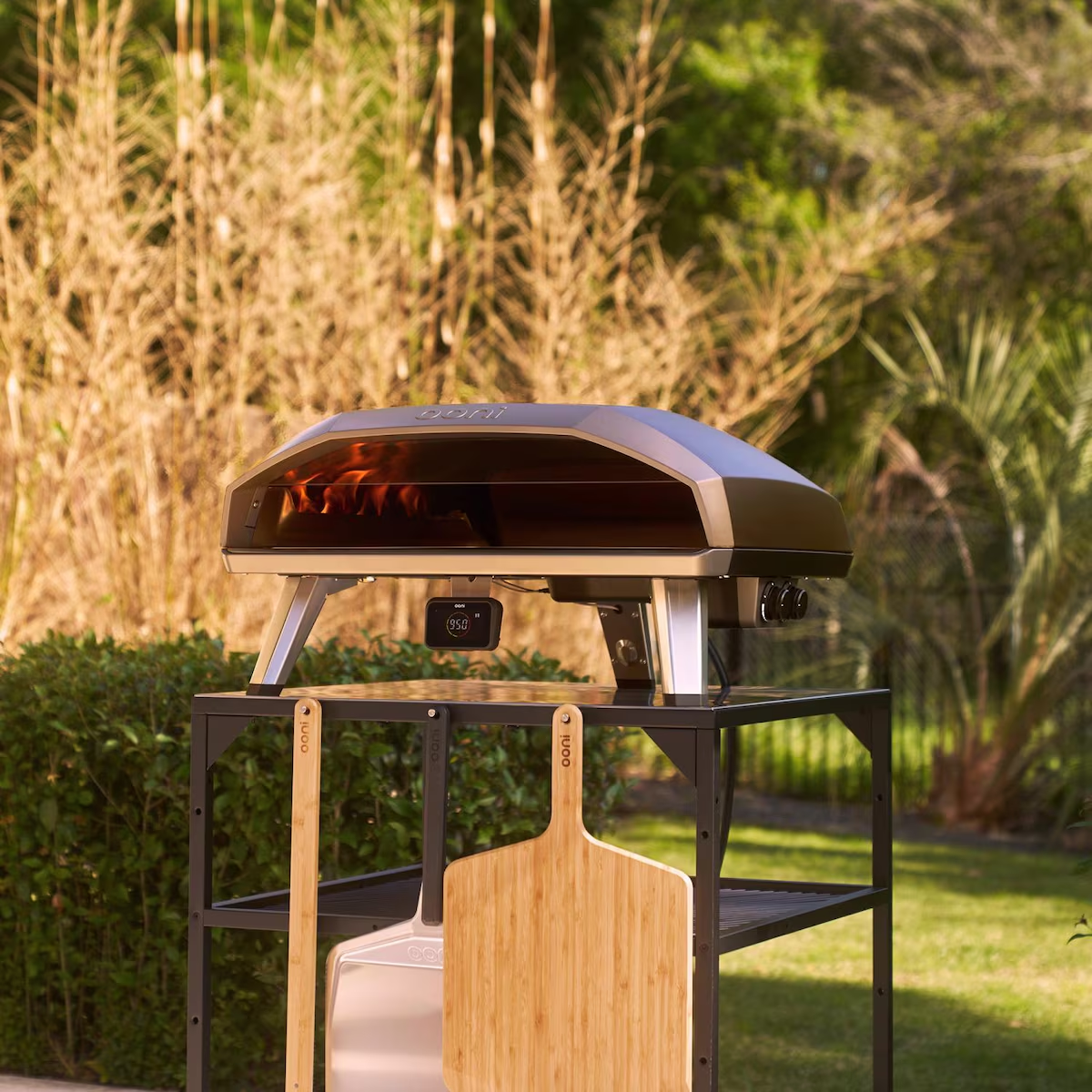
A wood-Burning Oven is an enclosed, generally dome-shaped cooking area that utilizes the heat generated by a live wood fire and the mass of thermal energy stored in the walls and floors to cook food. If it’s at the maximum temperature, it may be between 700 and 950 degF (370-500degC), which is enough to cook Neapolitan-style pizzas in just 90 seconds. Once the fire has gone out, the Burning Oven is perfect for baking bread and then roasting slowly.
This single device that can perform three distinct tasks, such as hot pizza that is blistering hot and bread that is mid-heat, as well as roasting at low heat — is what distinguishes the wood-burning oven from other kitchen appliances. It’s more than just a heat source. It’s a battery for thermal energy that emits heat in various stages.
Why It Matters
Gas and electric ovens heat air around the food. A wood-burning oven warms your food in three ways simultaneously: radiating heat that bounces off the dome, conductive heat from the hot masonry floor, and convective heat generated by air that is moving through the Burning Oven. That’s what creates the crust, char, and smoky ambiance that conventional ovens can’t duplicate — and is the reason that people choose wood over gas, regardless of the additional effort.
Who It’s For (and Who It Isn’t)
Wood-burning ovens make perfect sense for:
- Home cooks chasing authentic, high-heat Neapolitan-style pizza
- Anyone who is building an outdoor kitchen for space for gathering
Bakers who prefer deck oven results at home - Rural households or off-grid cooking without utilities
They’re less suitable for those living in apartments, people with no outdoor space, and those who cook at any time. A high-quality Burning Oven takes about 45-90 minutes for preheat and manage fire. It’s an ongoing process, not the turning of a button.
How a Wood Burning Oven Actually Works
- Fire building A fire made of wood is either ignited inside the room (traditional) or in an additional firebox, which provides heat to it (some contemporary designs).
- Preheating – The floor and dome absorb heat for 45-90 mins until the masonry itself, not just the air, is at temperatures that are cooked.
- Fire management– Coals are moved towards one side and continue to release heat, while the floor is cleared for cooking.
- Cooking Food cooks using radiant, convective, and conductive heating simultaneously.
- The “three fires” cycle As the oven cools for several hours, it shifts from pizza-heat (900degF+) to bread heat (450-550degF) to slow-roast heat (250-350degF) and lets one fire produce a complete food item.
A wood Burning Oven with thin walls is prone to losing heat quickly and cannot maintain this cycle. Thermal mass, not just the size of the flame, is what differentiates an excellent wood Burning Oven from a poor one.
Types of Wood Burning Ovens
Countertop and portable steel ovens are light (20-100+ tons) and can be heated in just 15 minutes, and can be used for decks, patios, and camping. Ooni (or Gozney is the term given to them. is most often associated with this type of oven.
“Built-in bricks or masonry ovens are firebrick structures that last for a long time, typically finished with stucco, tile, or stone. They typically serve as the anchor of a fully outdoor kitchen. They are the most stable and cook the most food.
Cob ovens and cob clay are constructed by hand using clay, sand, and straw on an interim structure — the simplest and most affordable DIY alternative; however, they will degrade more quickly in humid climates without the protection of a roof.
Prefabricated modular ovens are refractory domes that have been cast in a factory, built on-site, and completed with an exterior facade – an intermediate point between cob made by DIY and custom-built construction.
Barrel/igloo-style stainless steel ovens are bigger commercial units that are used in pizzerias as well as food trucks, offering fast heating and more capacity than a countertop oven.
| Type | Preheat Time | Typical Lifespan | Portability |
|---|---|---|---|
| Portable steel | 10–15 min | 5–10 yrs | High |
| Barrel/Igloo steel | 20–30 min | 10–20 yrs | Medium |
| Electric/Countertop | 45–60 min | — | Low |
| Clay/cob | 45–75 min | 5–10 yrs (climate-dependent) | None |
| Brick/masonry (built-in) | 60–90 min | 20+ yrs | None |
Wood-Fired in comparison to gas vs. Hybrid
| Factor | Wood-Fired | Gas | Hybrid |
|---|---|---|---|
| Flavor | Most authentic, smoky | Clean, no smoke | Balance of both |
| Preheat | 20–90 min | 10–15 min | 10–20 min |
| Effort (Fire Management) | High — needs active management | Low — minimal effort | Flexible |
| Heat Consistency | Harder to maintain with wood | Consistent | Fairly consistent |
| Best For | Flavor purists | Foodies who love to entertain | Those wanting both worlds |
If flavor and the experience of cooking over a fire are more important than the convenience aspect, wood is the better choice. If you’re looking for dependable pizza on the go with no fire building required, a gas or combination Burning Oven would be the most feasible option.
Materials Compared
The firebrick and masonry options have the highest degree of heat retention as well as the longest lasting life, but they are more expensive and require an enclosure for weather protection. Clay/cob is the most affordable and the easiest to build, but does not perform well in humid environments without a roof. Refractory cement (used in kits that are already constructed) is available in between. It is sturdy and long-lasting and has a much simpler installation than masonry full. Carbon steel, whether carbon or stainless is the most efficient way to heat up, however it also has the potential of lose heat due to the exchange of thermal mass in a 20-minute heating process.
What It Actually Costs
Prices can vary greatly by location, materials, labor, and region. This is why these are general guidelines rather than fixed prices:
| Type | Typical Price Range |
|---|---|
| Portable steel oven | $300 – $1,500 |
| DIY cob/clay stove (materials only) | $150 – $600 |
| Prefabricated modular kit | ~$2,000 |
| Full custom built-in masonry (installed) | $5,000 – $20,000+ |
| Professional installation labor alone | $1,500 – $8,000 |
The cost of labor is usually the most significant factor that influences construction costs; the installation process in a big metropolitan area could cost substantially more than a region that has lower labor costs for construction. The cost of transportation for prefab domes will increase depending on how far your location is from the supplier. It’s worth obtaining two or three estimates from those who offer wood-fired ovens as a specialization, because general landscaping or patio businesses typically don’t have the experience.
Purchase Vs. Build: A Simple Framework
Look into purchasing an oven that is portable or prefabricated if you’d like to cook within a few weeks, you have a budget under $2,000, or you’re hesitant about a fixed design.
“Lean toward building”: If you’re building an outdoor kitchen, need the most thermal mass to cook for a long time, or if you enjoy doing hands-on tasks, a cob oven build is a popular month-long DIY project.
Installation and Placement
The Burning Ovens constructed of brick are very heavy, generally weighing between 1000 and 5000 pounds. Hence they require an area that is level and non-combustible that is structurally supported and is not only a slab for patios built to bear the load. Maintain a safe distance from structures that can be ignited as per the local fire code. And size the chimney or flue according to the size of the chamber and cover or cover the Burning Oven in moist environments to guard the refractory and masonry materials from water damage. Certain municipalities also need permits to construct permanent structures with an chimney. It is worth checking before making any plans to build.
Choosing the Right Wood
| Wood Type | Notes |
|---|---|
| Oak | Dense, long, even burn — a common default |
| Hickory | Strong flavor, excellent for roasting |
| Maple | Milder flavor, steady burn |
| Fruit woods (apple or cherry) | Mild, slightly sweet smoke |
| Softwoods (pine and fir) | Generally avoided — resin causes creosote and sparks |
Use only wood that has been seasoned (dried) for up to six months or longer. The smoke from wood that is wet is a lot and may be poorly burned painted or treated wood should not be put inside the combustion chamber.
Common Mistakes
Then, you can skip the whole process of preheating which results in the crusts appearing pale and undercooked.
Unseasoned or resinous wood, which causes large amounts of smoke and creosote to build up
A building that is built on a weak foundation risks cracking due to the pressure of the oven.
- Not paying attention to chimney clearances from overhangs or nearby structures
- Not following local burn-ban or permit regulations prior to installation
Regulations and Local Considerations
Certain counties and cities restrict or prohibit outdoor wood-burning ovens during high pollution or times of high risk for wildfires, so it’s important to verify the local air quality regulations prior to deciding to install or fire up. HOAs in a lot of communities have also imposed restrictions on permanent outdoor structures that are not approved, as well as some insurance companies want an ongoing wood-burning structure to be disclosed in your policy.
Maintenance and Lifespan
Clean up ash often and leave a light layer on a floor of masonry. It keeps it dry, and protects it from aging. Check for cracks throughout the year. Hairline cracks are commonplace, however larger ones require repairs. Cover outdoor and portable Burning Ovens when they are not being used. Also, be sure to check the flu for accumulation of creosote often, and especially in the case of frequent use.
Safety
Make sure that you do not leave the fire unattended. Make sure that children and pets are kept out of the vicinity of the fire because the outside area remains hot for hours after the fire has been put removed. Make sure you have a clear distance from structures that are combustible or fences, and keep an extinguisher for fire or a water source close by, and be aware of local burn ban notices, which could result in penalties if not followed during the time of an active prohibition.
Best 5 Types Wood Burning Oven
1: Ooni Karu 12
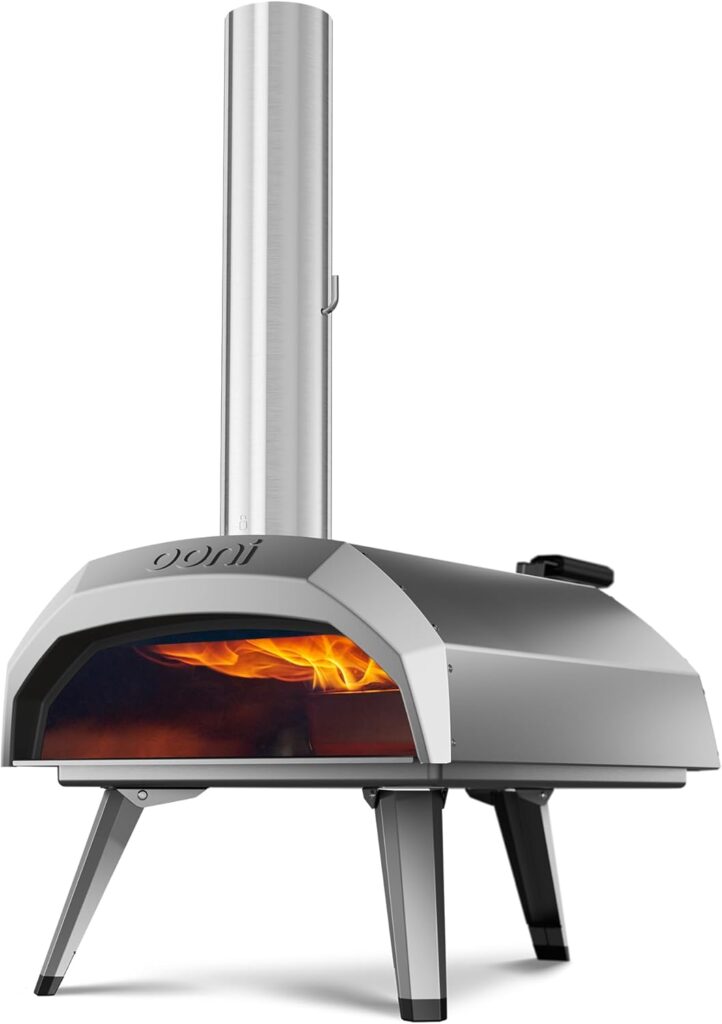
The Ooni Karu 12 is a multi-fuel (wood + optional gas) pizza oven that hits 800°F+ and cooks a 12″ pizza in about 60-120 seconds. It’s lightweight (~26.4 lbs), portable, and has a solid metal build. Pros: fast, flexible fuel options, great for beginners. Cons: gas conversion kit costs extra (~$100), and it slows down after 5+ pizzas in a row.
2: Ooni Koda 12 Gas Pizza Oven
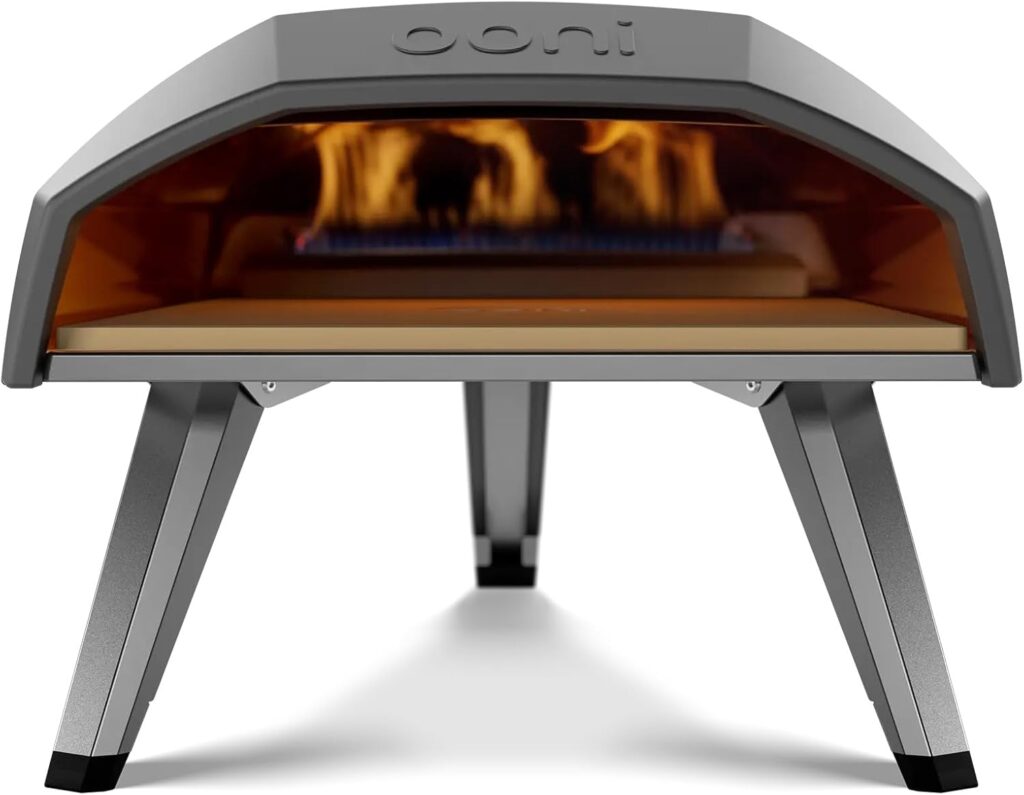
The Ooni Koda 12 is a portable gas-powered pizza oven that reaches 950°F (500°C) in about 15 minutes and cooks a 12″ pizza in just 60 seconds. It weighs only 20.4 lbs, requires no assembly, and features a heat control dial plus a built-in Flame Safety Device that cuts off gas if the flame goes out.
3: Solo Stove Pi
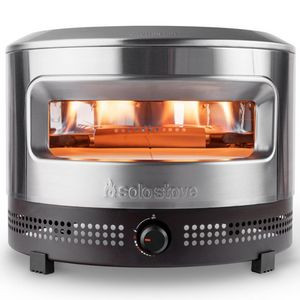
The Solo Stove Pi is a dual-fuel (wood + optional propane) pizza oven, ~30.5 lbs, with a 12-inch stainless steel design and cordierite stone. It reaches up to 850°F on wood or 900°F on gas, cooking pizza in under 2 minutes. Note: this model has been discontinued and replaced by the Pi Prime, which is propane-only. Pros: sleek build, fast heat-up, easy cleaning. Cons: harder to refuel/control temperature when using wood.
4: Ooni Koda 16 Propane Gas Pizza Oven
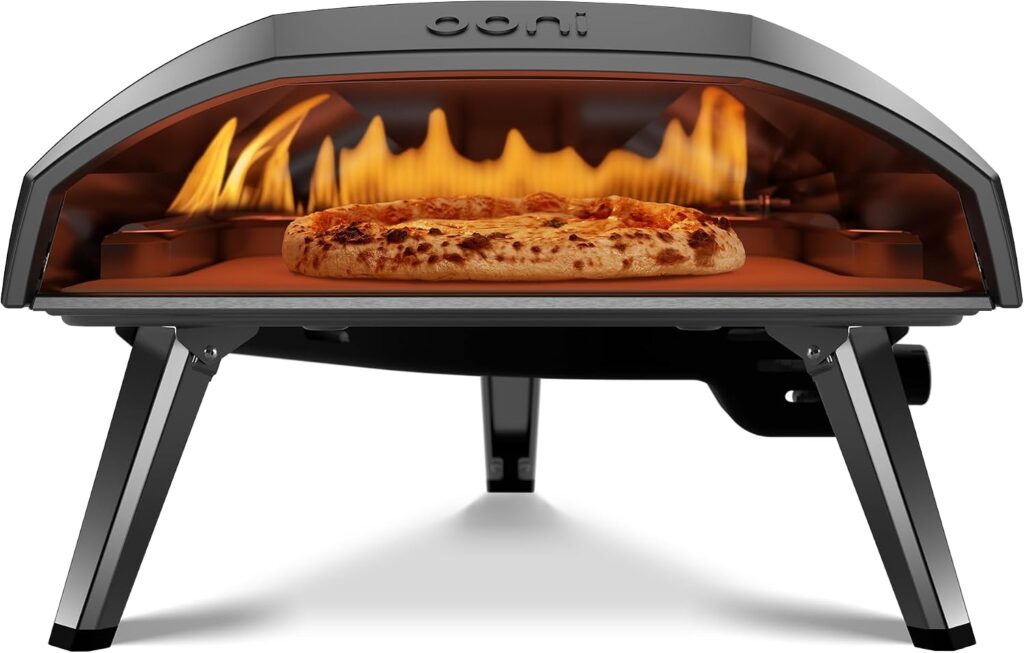
The Ooni Koda 16 is a propane-powered pizza oven that reaches 950°F (500°C) in about 20 minutes and cooks a 16″ pizza in just 60 seconds. It features an L-shaped burner for wider heat coverage, a large cordierite stone baking board, and a heat control dial for adjustable temperature, with folding legs for easy transport.
5: Ooni Karu 2 Multi-Fuel Outdoor Pizza Oven
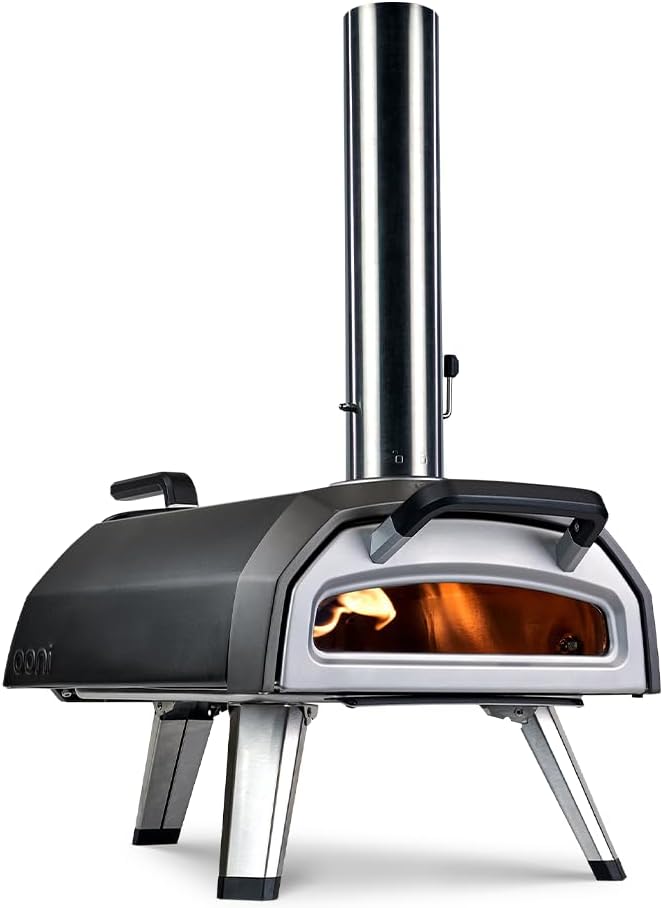
The Ooni Karu 2 is a multi-fuel pizza oven that runs on wood, charcoal, or an optional gas burner, reaching 950°F in as little as 15 minutes and cooking a 12″ pizza in just 60 seconds. It features a borosilicate glass door with ClearView technology, an integrated thermometer, and weighs just under 34 lbs for easy portability.
FAQs
Is a stove that uses wood worth the cost?
This is a good option if you desire the taste and experience of cooking on an actual fire. This is not the ideal option for people who want for a portable and convenient device without the need for preheat, or fire control.
What do you think a wood-burning oven could be made?
The majority are in the range 700-950 degree Fahrenheit (370-500degC) in their highest. Then they cool slowly -perfect as pizza is first—then bread and roasting the last.
How can you tell the difference between a pizza oven that has wood burning as opposed to a wood-burning oven?
“Pizza oven” is a more expansive, looser word which includes gas, wood, electric, and gas models. A wood-burning stove is identified through its source of fuel: flame of wood Burning Oven.
Do you have the ability to make something completely different from pizza with an Burning Oven that uses wood to cook it?
Yes. When it is cooling In the stages of cooling, the Burning Oven can be used to bake bread, other meats baked, vegetables, and even certain desserts.
How long will a wood-burning oven require for heating?
Portable steel models generally require between 15 and 20 minutes. The ovens inside the masonry should take between 45 to 90 minutes because due to their higher thermal mass.
Do wood-burning ovens require chimneys?
The bigger and more powerful ovens require a flue of sufficient size to permit the proper circulation of air. Smaller models typically come with a shorter flue built into them instead.
What is the price for building an Burning Oven with wood for cooking?
Prices start at just $500 on a home-made cob Burning Oven to as high as $20k+ for a custom professional installed oven constructed from masonry. Prices are determined by the dimensions, the material being used, as well as local labor costs.
What is the best kind of wood to build an oven using an Burning Oven that can burn wood?
The mature hardwoods like oak, hickory as in addition to maple, are fantastic. Softwoods, such as pine that are resinous, should not be utilized as they cause sufficient creosote, as well sparks.
Can a cooktop that uses wood to cook it be used in winter or rain?
Yes, there is a problem with exposed clay; however, cob ovens are not as durable without a cover or roof in humid climates. Masonry, refractory, and steel Burning Ovens are able to withstand better weather conditions, particularly when they have a cover.
Conclusion
A wood-burning oven is actually a decision about heat sources in the same way as an investment (masonry versus steel and portable versus permanent hybrid and wood-only all have their own taste, price, and comfort in different ways. The most appropriate choice comes down to how often you’ll need it, the amount of space and money you’ve got in your kitchen, and whether you’d like an entire project built or an Burning Oven that you’ll cook in during the next week.
Whatever you decide to do, choosing seasoned hardwood that is properly treated and observing local regulations regarding burns and constructing on a solid foundation that is code-compliant will have more impact on your outcomes and safety than any one feature or product.
These information are gathered from different surveys, medical tests and tech giants like Techradar and more. Our top priority is to provide you valuable information.
For More Details About Different Projectors Click Here